
Beyond Us and Them
FROM SEPARATION TO SACRED CONNECTION…
The human mind is remarkably skilled at classifying things. We draw boundary lines and sort the world into different categories. We give everything a name, unique and separate. Although distinctions help us better understand the reality we live in, somewhere along the way we became isolated from each other. This is me. That is you. These are my beliefs. Those are yours. However, underneath our differences, we sense a deeper, sacred connection.
Behind the human mask, we are all expressions of the same divine consciousness. When we hold on to this view, non-judgment becomes more than simply another act of kindness. It becomes a recognition that what affects one, affects all. By looking past someone else’s appearance, choices, beliefs, or circumstances, we acknowledge this insight. We recognize that the same spirit that lives inside us also lives in the stranger, the friend, the person we understand, and the person we don’t. Each one of us participates in the same mysterious experience of being alive. We breathe the same air, belong to the same Earth, and are born from the same source of creation.
And maybe this is why judgment creates so much suffering. When we diminish and reject the worth of another, we actually reject a part of ourselves. Although we may often feel alone, we are actually one interconnected life expressing itself through billions of different eyes. Behind every face is a lifetime of hopes, fears, joys, traumas, dreams, and memories. And every time we choose understanding, curiosity, and compassion over judgment, we honor the Divine within one another. We choose to shatter the illusion of separation and return again to wholeness.
Mending the divide…
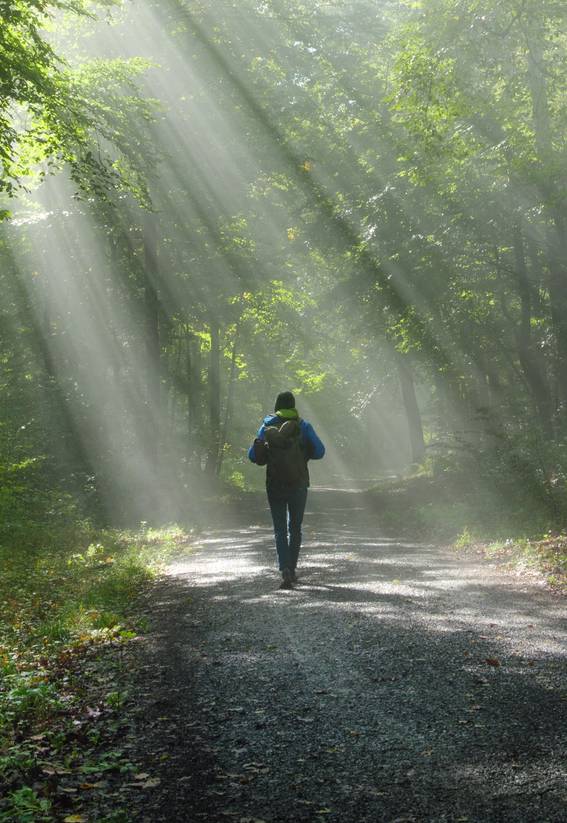
To reject the inherent worth of another is to turn away from a part of the greater whole, and in essence, to turn away from the Divine. This type of rejection judges what deserves love versus what doesn’t. We judge the world based on what is familiar and strange, what is right and wrong, and what is worthy and unworthy. Yet behind these human distinctions, life keeps on moving as one unit. Outside of earthly mentality, we are all one family, derived from one sacred source.
As humanity moves toward mending the division that exists, a shift must occur in perception. All of us must access where we hold on to fear, which is the source of judgment in the first place. By changing the lens through which we view the world, we can see beyond fear and get rid of the imaginary boundaries we put up. We stop believing that the mistakes, beliefs, or differences of others somehow places them outside of the circle of belonging.
As we continue to release judgment, be begin to interact with others out of genuine curiosity again. We more easily forgive wrongdoings. We choose compassion instead of condemnation. Through our own healing, perception is also healed, and we start to see things differently. We feel more connected to others, to nature, to the Divine. Eventually, the world begins to feel a little less divided, because something within us has become less divided.
But the deepest healing begins when we recognize that each one of us us a part of the whole. As this awareness materializes within us, non-judgment becomes more than tolerance. It becomes an act of spiritual understanding that we are the Divine, encountering itself through different lives, different stories, and different ways of experiencing this reality. We are many expressions of one consciousness, one light, one love.
RETURNING TO ONE SHARED HUMANITY…
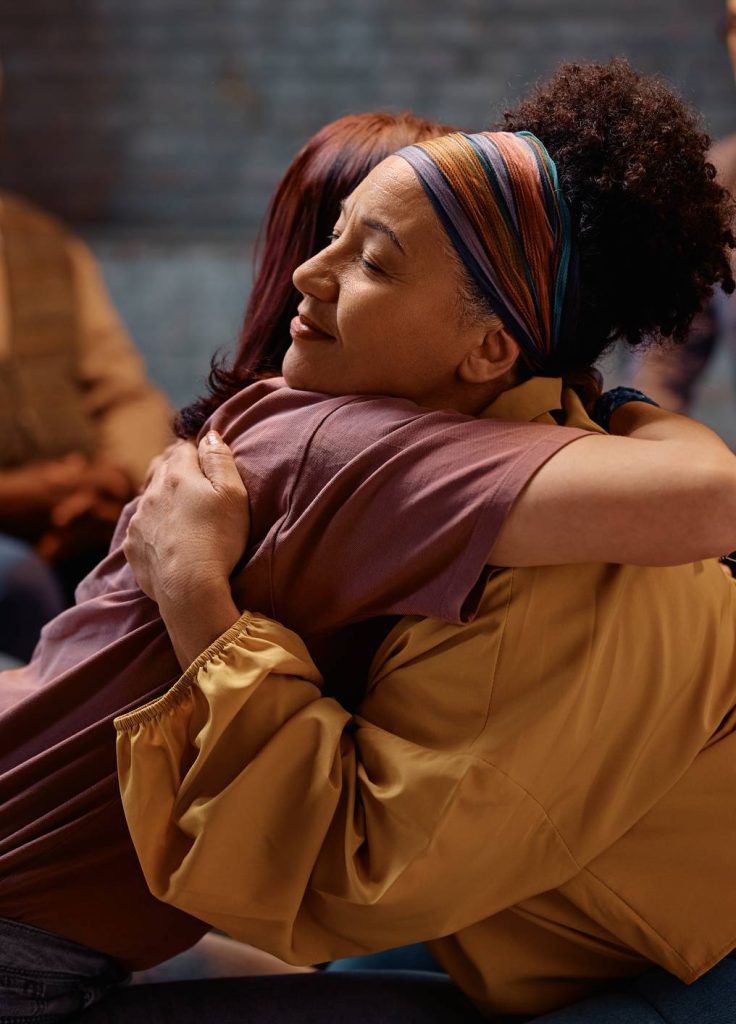
Beneath everything we use to distinguish ourselves from one another lies an experience we all share: the tender, complicated experience of being human. We each know what it is to hope and to fear, to love and to lose, to seek belonging, to make mistakes, and to long to be understood. Our stories may look remarkably different on the surface, yet the emotions moving beneath them are often much the same. When we look beyond labels, beliefs, appearances, and circumstances, we begin to recognize ourselves in the lives of others. The stranger becomes less strange. The distance between their story and our story begins to narrow, and judgment slowly gives way to understanding.
Returning to our shared humanity asks us to remember that no person can be reduced to a single choice, opinion, identity, or moment in time. Each of us is an unfolding story shaped by experiences others may never see. When we approach one another with curiosity instead of assumption, we create room for compassion without requiring agreement. We can honor our differences while remembering the deeper truth beneath them: every person is part of the same human family, carrying within them the same sacred spark of life. Perhaps this is where non-judgment ultimately leads us—not toward a world in which everyone thinks alike, but toward one in which we can look across our differences and still recognize one another as belonging to the same beautiful, imperfect, and Divine whole.
Put it into practice:
SHIFT PERSPECTIVE:
It’s natural to form opinions on what we encounter the world. But when opinions turn into condemnations, it creates division. The next time you feel yourself start to negatively judge those around you, try shifting your perspective by imagining them as small children or as an important spiritual master. Seeing through different eyes unveils a different view on reality.
OFFER A BLESSING:
Offering a blessing infuses the moment with loving, positive energy. Take a moment to bless the person you are judging. This could be in the form of prayer, visualizing the person feeling loved, or as a simple statement in your mind of “I wish you well.”
ALLOW POSITIVE CURIOSITY:
Humanity is diverse. Resist the impulse to immediately evaluate and critique those around you. Instead, allow yourself to feel that inborn curiosity about life we often ignore as we get older. Keep your mind open and expanded as listen to another person’s experience, or hear their thoughts.
SEEK COMMONALITIES:
It’s easy to only focus on differences when we interact with those who lead a different lifestyle or make choices we wouldn’t choose for ourselves. Next time, try to look for what you have in common. Remind yourself that the person you are talking to has also experienced loss, love, hope, fear, pain, and joy. Understanding we all go through similar struggles builds connection and compassion.
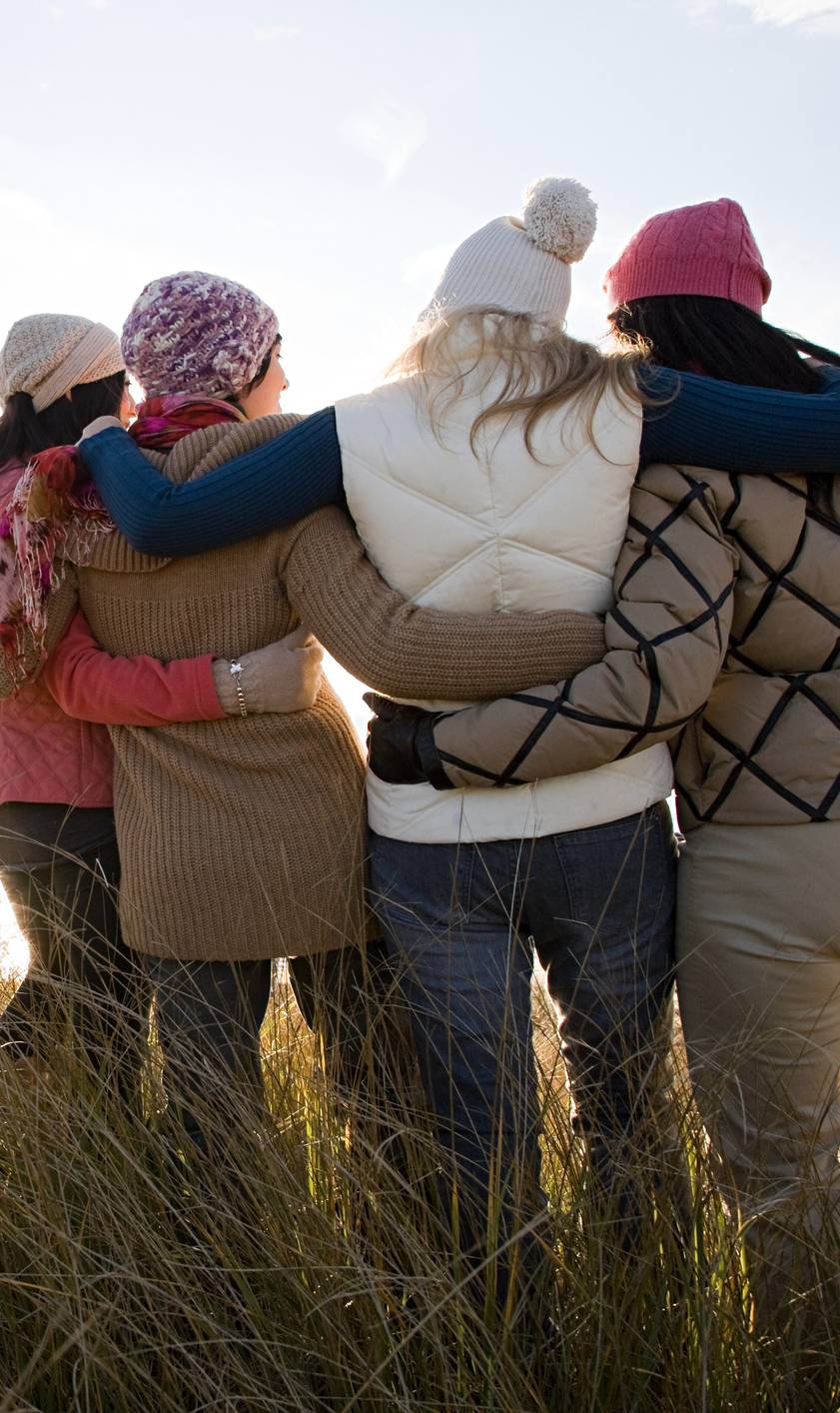
Remember: Healing the wounds of separation begins with remembering what judgment so easily allows us to forget: beneath every difference, we belong to one another. We are not isolated souls moving through separate worlds, but countless expressions of the same sacred life—each carrying our own stories, wounds, hopes, and ways of understanding. When we choose curiosity over assumption, compassion over condemnation, and understanding over the need to divide, we begin to dissolve the invisible walls between us. We may not always agree, but we can still recognize the Divine spark within one another and honor the shared humanity that connects us beneath every label.
Perhaps this is one of the deepest invitations of non-judgment: to look into another life and remember that we are looking into another expression of the same great mystery from which we came. Every time we soften a judgment, widen the circle of our compassion, or choose to see the soul beyond the story, we help heal something larger than ourselves. The illusion of us and them gives way to the sacred recognition of we. And as more hearts awaken to this truth, we move closer to remembering what the soul has known all along—that there is one life moving through us, one Divine Source holding us, and one human family learning, slowly and beautifully, to recognize itself.