

WHEN LOVE BECOMES THE WAY
WHERE DOGMA ENDS, MYSTERY BEGINS…
As humans, we want to understand what to expect in life. We want to know what’s happening so we can stay safe and secure in an unknown and unpredictable reality. It is understandable, then, that we would hope the great mystery of existence could be neatly explained within the pages of a book. This is where we come from, this is who created us, this is what we are doing here, this is where we are going. We give the Divine names, create doctrines, and carefully draw lines between what is sacred and what is not. And while dogmatic traditions can offer meaning, wisdom, and a sense of belonging, they can also create division, confusion, and exclusion.
We divide humanity into those who are right and those who are wrong, those who belong and those who do not. We may cling tightly to what we have been told and become suspicious of anyone whose path looks different from our own. But what is we were never suppose to know the answer to the mystery? What if, instead of looking for a list of expectations to confirm our worthiness, we knew that we were always worthy to begin with.
in truth, the sacred is grander than a church, temple, or mosque. It exists within a field of infinite possibility and creativity, where all life, thought, time, and space are born. And as the fears cultivated by dogmatic thinking start to leave the mind, we embrace the great mystery as it is—expansive, inclusive, and boundless. And we can open our souls to the possibility that we are all part of the same immeasurable Divine.
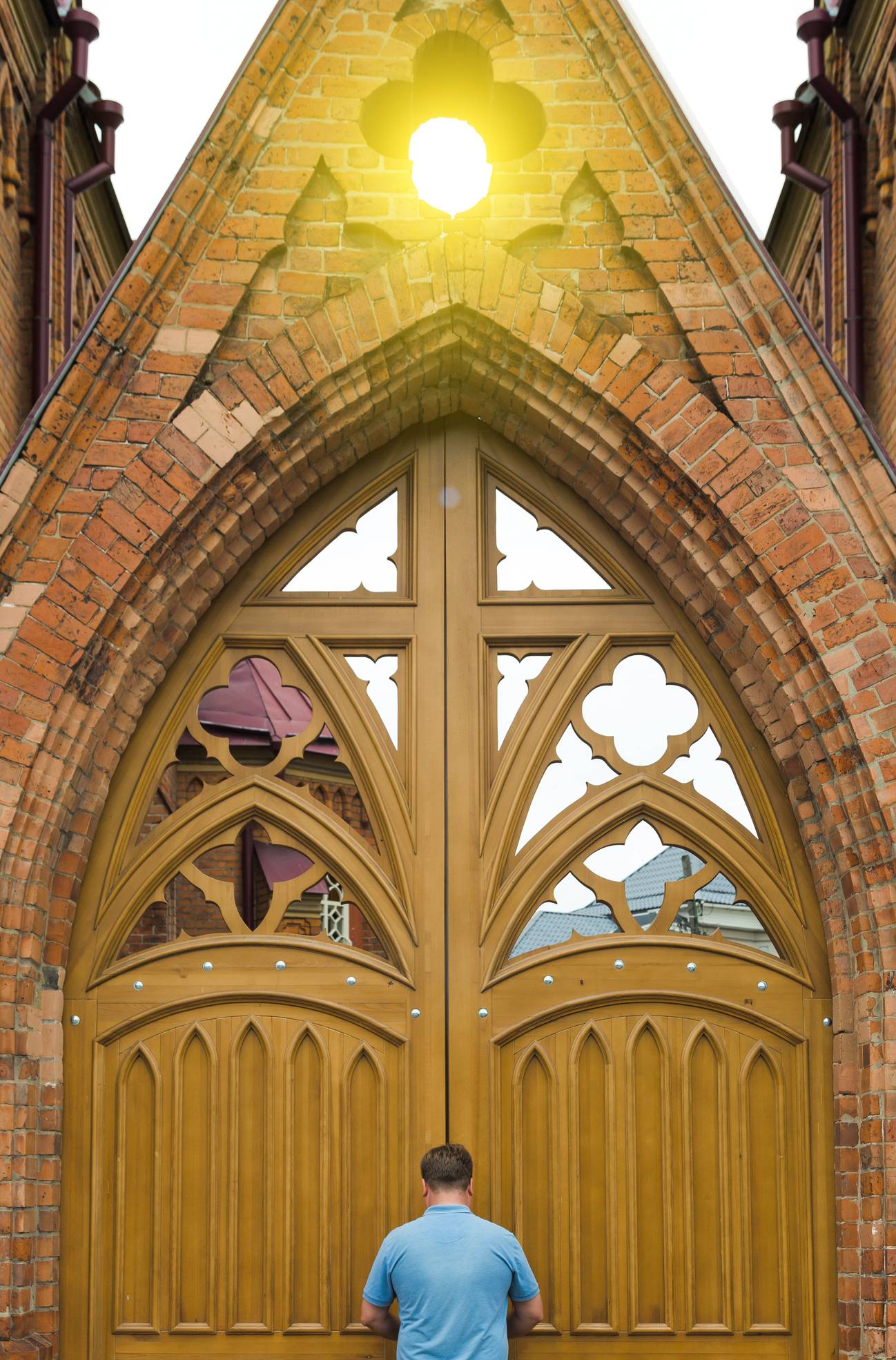
A wider circle of belonging…
Fear has a sneaky way of guiding our emotions and taking control of our decisions. It is what alerts us who is safe and who isn’t, which is useful in life. But it also tells us who belongs and who doesn’t. Sometimes these beliefs are passed down in family cultures, sometimes they are taught in church. But whether directly or indirectly, we are often exposed to fear-based thinking before we are old enough to question it. Surprisingly, the intention of parents and faith leaders in teach dogmatic thinking is often love.
We want the people we care about to be safe and saved, free from suffering, and held with care by the Divine. The idea that following the rules closely means safety can be assured is a strong motivator. We simply believe the right things, follow the right path, and the Almighty will grant us entry to heaven. Unfortunately, within the limits of the human mind, religious rules can change, and the path is often unclear. This causes us to cling to social norms and pull away from what seems risky, unpredictable, and unknown. And questioning a belief system feels risky. Going outside of the prescribed way of thinking feels dangerous.
But when we access the true nature of God, we find only love. What we experience as fear is simply the lack of love—the absence of divine presence. By tuning in to God’s voice within our hearts, we can release the false beliefs that keep us afraid. We can feel safe to see the beauty and diversity in all creation. And as we allow our circle of belonging to expand, we see humanity not as competing groups but a connected family.
Giving ourselves permission to learn about different beliefs and faiths without needing to defend our own opens the soul to the expanded potential of the human spirit. It helps us listen to a different perspective without needing to judge its validity. And it allows us to interact with others without questioning whether they belong or not. Because to the Divine, belonging does not come with expectations. It is all-inclusive. Each one of us is already worthy.

RETURNING TO THE HEART OF THE DIVINE…
It’s not always easy to know what to believe, especially when there are so many ideas being pushed on us all the time—each one claiming to be the only correct way to God. But beneath all the doctrines and behind all the traditions, rituals, and names, we can ask the heart a singular, simple question: Is what we believe based in love? The heart always knows truth, and will always guide us towards righteous thoughts and actions.
Whenever we are in doubt, and unsure about the beliefs we are following, we can consider: Does what we believe make us more compassionate and loving? Does it encourage us to be more humble and forgiving? Does it make us more capable of recognizing the Divine in another human being? If so, this means what we are following is based in love. But if what we believe is based in fear, we will feel ourselves begin to condemn, exclude, and diminish others. We will start to develop hatred. This is how we know whether or not we are following God, because God is always love.
Put it into practice:
EVALUATE DOCTRINE FOR YOURSELF:
The Bible is often misinterpreted, but in John 8:3–11, Jesus demonstrated non-judgment when intervening in the stoning of a woman accused of sinning, stating, “He who is without sin among you, let him be the first to throw a stone at her.” When the fear of damnation shows up in your life, remember: it is neither loving nor holy to judge another person’s circumstances..
EXAMINE INHERITED BELIEFS:
Think about the beliefs you were taught within your home or church growing up. Consider whether the ideas you learned about salvation, punishment, worthiness, and damnation align with your understanding of the Divine. Are you afraid to question certain beliefs our of fear of judgment or abandonment? Without this fear, what would you really belief about these things?
ALLOW YOUR HEART TO EMPATHIZE:
Empathy builds compassion, and compassion fuels non-judgment. As Zen Master Thich Nhat Hanh taught, “To love our enemy is impossible. The moment we understand our enemy, we feel compassion towards him/her, and he/she is no longer our enemy.”.
TAKE AN INVENTORY:
Attached to judgment is a feeling of unease within the body. This is the heart telling us the action of judgment is not loving. Learn to tune in to how your actions affect your conscience, and notice the difference when you practice acting in love instead of judgment. .

Remember: Transcending fear-based beliefs is about becoming conscious of where our beliefs come from. Are they expanding our capacity to love, or teaching us to fear? Are they encouraging us to become more compassionate, or more divided? When we find the courage to really look at our beliefs, we can uncover barriers that keep us from feeling connection. We can understand if we are actually following the loving light of the Divine, or something else entirely.
It is when we stop following fear-based teachings that we no longer allow negativity and darkness to lead our lives. Instead, inviting God’s love to guide our path and lead us to a deeper connection with the world around us. It is then that we understand that spiritual growth unfolds for each soul in a unique and sacred way. And as long as what we follow is based in love, we know it is the voice of God. Clear and bright.